

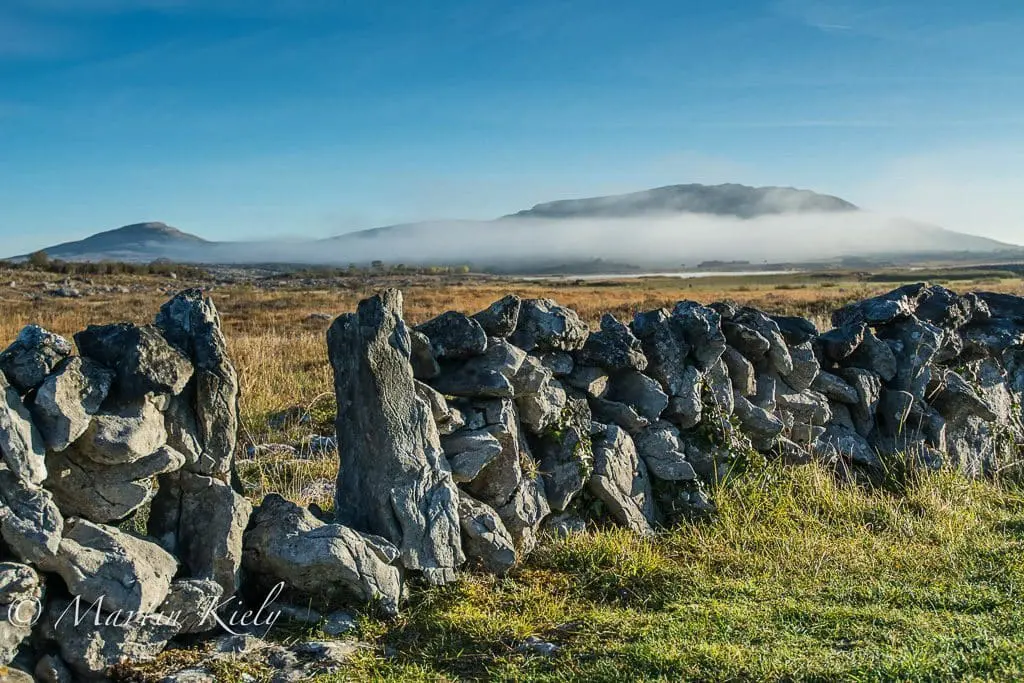
The Burren is a place of high nature value and a place worth conserving, why is this and what is being done?
Though the Burren region represents less than 1% of the national land cover, the richness and diversity of the natural and cultural heritage present belies its compact size. Over 70% of Ireland’s native species of flora are found here, including 23 of the 28 native orchid species, as well as a very rich and interesting fauna. In terms of its geology, the Burren is generally considered to be one of the finest examples of a glaciated karst landscape in Europe. While the cultural wealth of the hills and pavement is equally stunning.
But what measures are in place to ensure that this rich and diverse heritage is protected for future generations to enjoy? Who implements these measures and what resources have been made available for the conservation of the Burren?
Nature Conservation
Much of the Burren has been recognised as being of major conservation interest, with designations such as ASI (Area of Scientific Interest), NHA (Natural Heritage Area) and SAC (Special Area of Conservation) having been bestowed upon it.
SACs in the Burren cover most of the Burren Upland region as well as significant stretches of the Burren lowlands and the northern shores of the region. Under the SAC designation certain activities are restricted and lists of ‘Notifiable Actions’ have been prepared for each of the habitats present. For more information on protected areas and their management visit the National Parks and Wildlife Service (NPWS) website here www.npws.ie/protected-sites. The NPWS is responsible for the designation of conservation sites in Ireland; they work with farmers, other landowners and users, and national and local authorities, trying to achieve the best balance possible between farming and land-use on the one hand, and requirements for conserving nature in these selected areas, on the other.
More about the Burren’s natural heritage conservation
Built Heritage Conservation
The built heritage of the Burren has historically received a more significant level of protection. The Sites and Monuments Record (SMR) provides a numbered list of archaeological sites and monuments together with a set of control maps indicating their location and extent. This record must be consulted in the course of any developments. The record can be viewed here www.archaeology.ie/archaeological-survey-database. The Office of Public Works – Monuments Section is responsible for ensuring the protection of listed sites, including those more significant sites which have been classed as National Monuments.
There are a number of ongoing key conservation concerns in the Burren; the encroachment of scrub on monuments and Burren habitats, the disrepair of dry stone walls, damage by feral goats, monitoring of biodiversity and the impact of increasing visitor numbers. Burrenbeo Conservation Volunteers engage in regular active conservation projects in the region.
Conserving the Burren’s built heritage
Other links
Other Conservation Organisations in the Burren Available research